Serves 3-4 | Difficulty: Easy – Medium

Staring at a 3+ lb napa cabbage, wondering what to do? This meal plan’s for you.
Note: This meal plan was designed to help a fellow user who struggled with using up an entire head of napa cabbage. If you’d like to see a meal plan using your suggestions, leave a comment with the ingredients you struggle with below and make sure you subscribe to get notified!
Instead of throwing together random recipes that just happen to use cabbage, this plan is designed with intention—each dish plays a role in using the entire vegetable efficiently, maximizing both flavor and practicality.
Napa cabbage has distinct parts, and each one works best in different ways. The soft, tender leaves are perfect for dishes where their delicate texture can shine—like Napa Cabbage Okonomiyaki (Meal 3).
The crunchier stems, on the other hand, are ideal for things like Pork and Napa Cabbage Dumplings (Meal 4), where they get finely minced and blend seamlessly into the filling. Since the stems are already getting chopped up, why use the tender leaves when they can be better enjoyed elsewhere?
Then there are the in-between pieces—the parts that are part leaf, part stem. These have just the right balance of texture and tenderness, making them perfect for stir-fries and soups.
Aside from the cabbage, these recipes also share 2 other ingredients in common: scallions (green onion) and ground pork.
Overlapping Ingredients = Easier Prep.
By planning ahead, we’re not just reducing waste—we’re making sure every part of the Napa cabbage is used where it’s most effective.
Based on your feedback, I’ve made an update: instead of having meal plan recipes exist only within the plan, each recipe will now have its own dedicated page under the Recipes section.
This change makes it easier to find specific dishes while keeping the meal plan focused on the bigger picture—using ingredients thoughtfully and minimizing waste.
Having separate recipe pages also allows me to dive deeper into the details—like how to properly fold dumplings or ingredient swaps that actually work—without overloading the meal plan post.
Think of this post as more than just a collection of recipes—it’s a strategic way to cook with purpose. That is, creating more taste with less waste—whether in ingredients or extra steps.
I try to use standard ingredient sizes when planning meals, but leftovers (ingredients) are bound to happen even with the best of plans.
Maybe you were only able to buy ground pork by the pound, ended up with extra tofu, or have dumpling wrappers still sitting in the fridge. Instead of letting them go to waste, here’s are some ideas I’ve tried to save the day:
A fresh Napa cabbage lasts up to 3 weeks in the fridge even after it’s cut/prepped. That’s right. I know because I’ve procrastinated cooking it more times than I’d like to admit, even as a recipe and meal planning developer.
But this is GREAT NEWS! Because that means you DON’T have to rush to get through these recipes within the week.
You have almost a month – more than enough breathing room before you get sick of Napa cabbage. wink
Let’s get started!
Check out my Getting Started guide to learn how to use this meal plan.
Meal 2:
Lion’s Head Meatball Soup
Meal 4:
Pork and Napa Cabbage Dumplings
Blanching vegetables serves 2 purposes: (1) It prevents loss of flavor, color, and texture—extending the “life” of the vegetable throughout the week, and (2) it gives us a head start in the cooking process for stir-fries. Stir-frying generally only takes 5 minutes. If you start from raw, some pieces won’t cook as evenly as others (especially hardy vegetables like broccoli). Blanching pre-cooks each piece of veggie so you will have a consistent tasting stir-fry every time. This is a well-known technique used in many Chinese restaurants!
Here’s how:
Store in an air-tight container in the fridge to keep maximum freshness. Use them within 7-10 days. If you suspect it has gone bad – the color has changed (e.g. turns brown), there is visible mold, the texture is mushy – toss them. Always err on the side of caution to avoid food poisoning.
Store in meal prep containers or in the bags they come with in the crisper drawer. If a vegetable has a high-water content and tends to go limp quick, wrap it with a paper towel before storing it in the fridge. The paper towel absorbs excess liquid that will prevent it from wilting or turning mushy.
As a general guideline, try to use seafood within 2 days of purchase. For this reason, I always place recipes with seafood earlier in the Meal Plan Menu. Meat can typically last 4-5 days. If you won’t be using meat and seafood, best to freeze them right away. Vacuum seal before freezing to prevent freezer burn.
Properly frozen foods are good for up to 6 months before their flavor and texture start to lessen.
If you do not have a vacuum sealer, wrap fish and meat tightly with saran wrap, then wrap tightly with aluminum foil. Store in a Ziploc bag, squeezing as much air out as possible. Date them and pop them in the freezer for later use.
When thawing vacuum sealed food, especially fish, puncture a hole or cut a slit in the bag to prevent the risk of botulism. Botulism thrives in low oxygen environment, which is what vacuum sealing does. (Note: when botulism grows, the smell and texture of the fish will not change, but the toxins it produces can be deadly.)
Use different cutting boards for your proteins and veggies. Always wash and disinfect knives when switching from meat to veggies to prevent cross-contamination. It goes without saying that you should clean your produce before consumption and preparation.
During prep, always start with food cooked at the lowest temperature first, working your way up. For example, chopped scallions are often used as garnish and will be consumed raw, so chop them before potatoes (which you will cook so the risk is lower). Likewise, you would prepare salad greens first.
The same principle applies when keeping them in the fridge. Don’t stack raw chicken above fish – any juices from the chicken that trickle into the fish would pose a risk. Should the chicken be contaminated with salmonella, the time and temperature at which you would cook fish to perfection is not enough to kill the bacteria.

See the full recipe post with tips, tricks, and substitutions here: Stir-Fried Udon with Napa Cabbage.
Note: Although this recipe calls for 1/2 lb ground pork, feel free to increase it up to 1 lb if you find yourself having to buy pork by the pound (usually packaged), or if you simply have a big meat eater. Check out this post’s section for more ideas too.

See the full recipe post with tips, tricks, and substitutions here: Lion’s Head Meatball Soup.
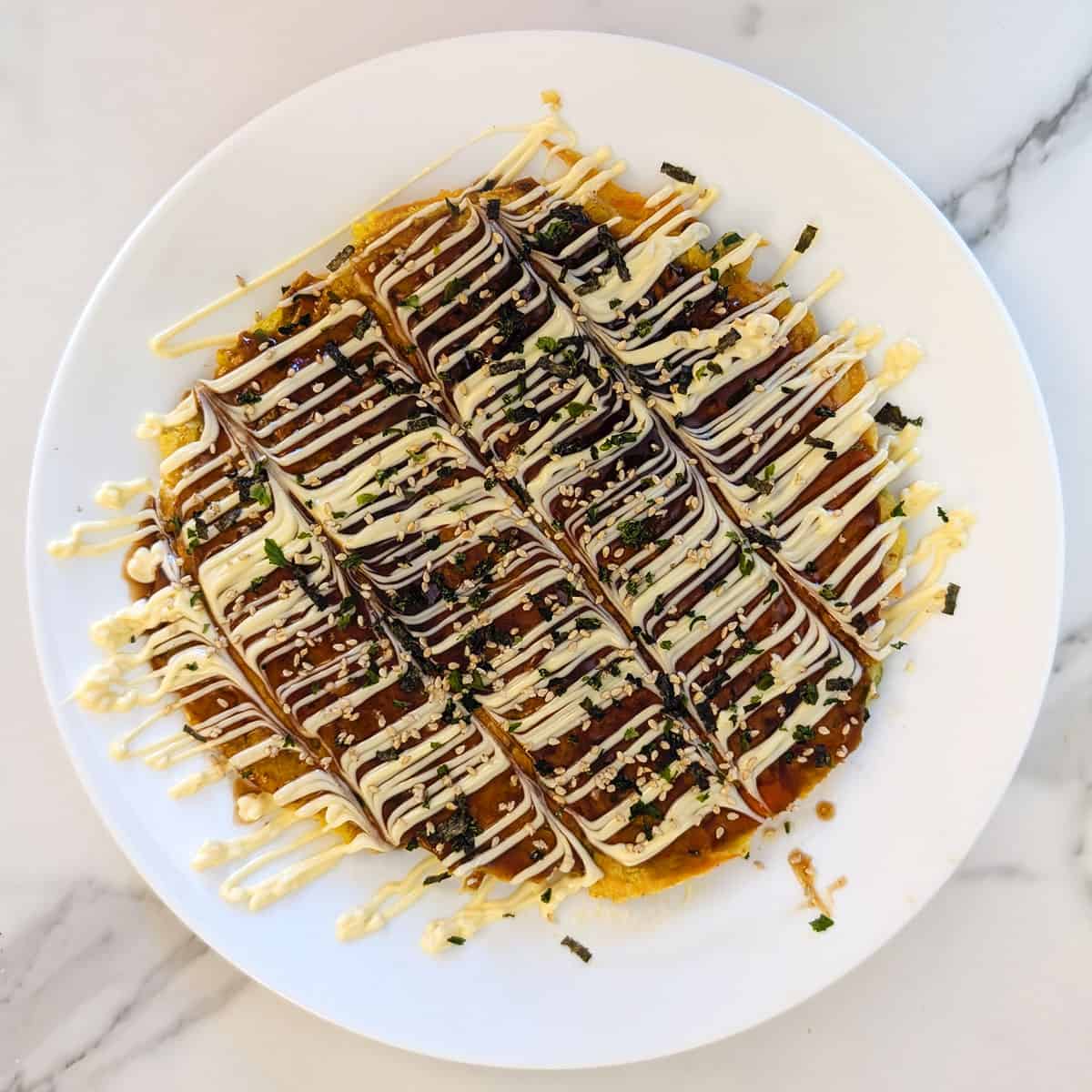
See the full recipe post with tips, tricks, and substitutions here: Napa Cabbage and Sweet Potato Okonomiyaki.
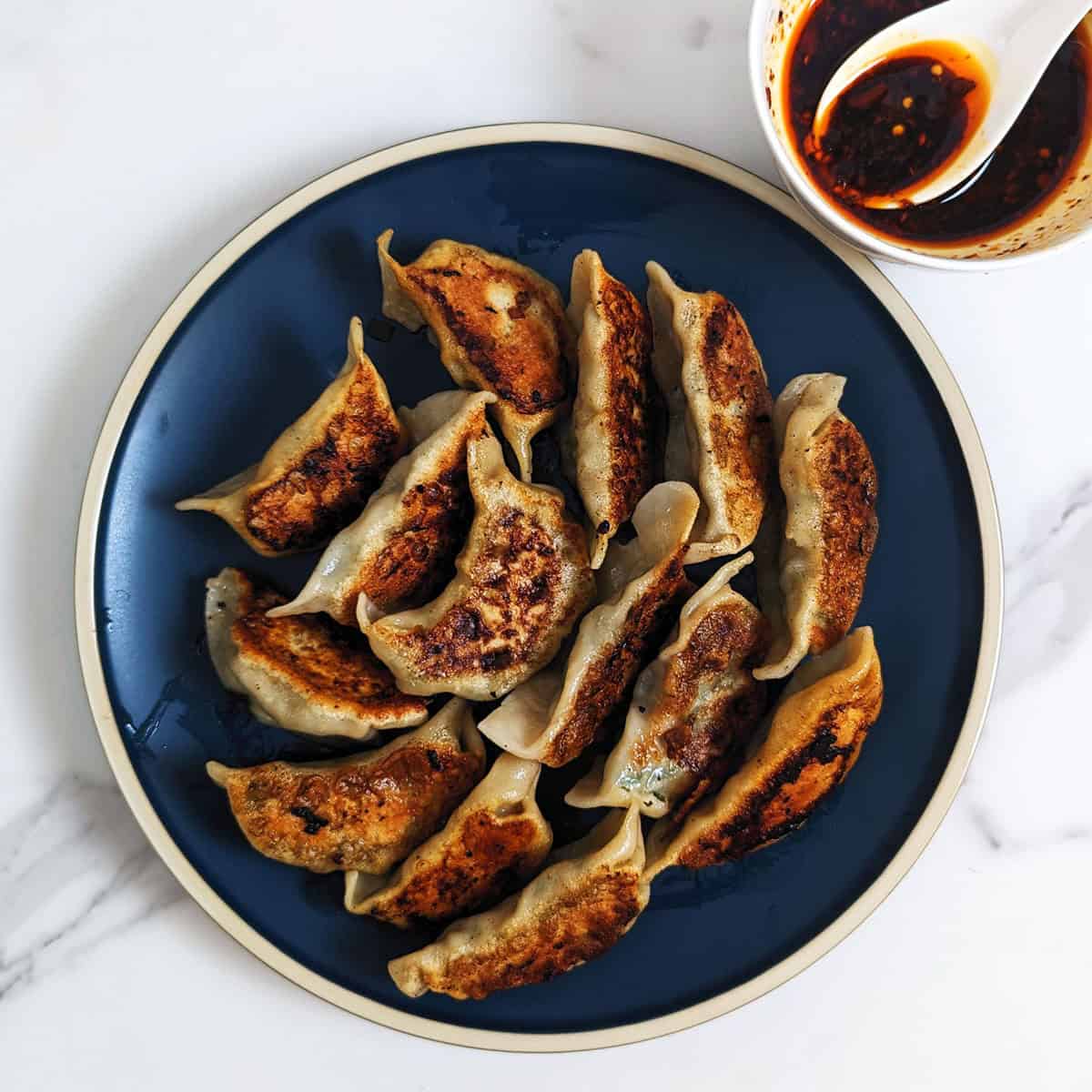
See the full recipe post with tips on how to fold dumplings, tricks, and substitutions here: Pork and Napa Cabbage Dumplings
If you enjoyed this meal plan, please share it on Instagram, Facebook, TikTok or your favorite social media platform!
| Ingredient | Quantity | Unit | Aisle | Comments | List Type | |
|---|---|---|---|---|---|---|
| All-purpose flour | 140 | g | Baking | Pantry | ||
| Baking powder | 0.5 | tsp | Baking | Pantry | ||
| Baking soda | 0.125 | tsp | Baking | Pantry | ||
| Cornstarch | 1 | tsp | Baking | Pantry | ||
| Sugar | 1 | tsp | Baking | Pantry | ||
| Homemade stir-fry sauce | 0.25 | cup | Condiments | OR 3 Tbsp oyster sauce | Pantry | |
| Kewpie mayo | 4 | Tbsp | Condiments | Pantry | ||
| Oyster sauce | 1 | tsp | Condiments | Pantry | ||
| Sesame oil | 1.67 | Tbsp | Condiments | Pantry | ||
| Shaoxing wine | 2 | tsp | Condiments | Pantry | ||
| Soy sauce | 6 | tsp | Condiments | Pantry | ||
| Tonkatsu sauce | 4 | Tbsp | Condiments | Pantry | ||
| Bonito flakes | 1 | Tbsp | Pantry | Pantry | ||
| Dashi | 0.75 | cup | Pantry | Can be made using 1 tsp Hondashi | Pantry | |
| Water | 1 | Tbsp | Pantry | Pantry | ||
| Chicken bouillon powder | 0.5 | tsp | Spices | Pantry | ||
| Five spice powder | 0.25 | tsp | Spices | Pantry | ||
| Furikake | 1 | Tbsp | Spices | Pantry | ||
| Kosher salt | 0.5 | tsp | Spices | Pantry | ||
| White pepper | 1 | tsp | Spices | Ground | Pantry | |
| Canned tuna flakes | 3 | oz | Canned Goods | Drained | Shopping | |
| Chicken stock | 32 | fl oz | Canned Goods | Low sodium | Shopping | |
| Egg | 4 | large | Dairy | Shopping | ||
| Frozen udon noodles | 3 | packs | Frozen Foods | Shopping | ||
| Ground pork | 2.5 | lb | Meat | Shopping | ||
| Dried vermicelli | 2 | oz | Pasta/Rice | Optional. Get the extra thin ones if using. | Shopping | |
| Carrot | 4 | oz | Produce | Julienned | Shopping | |
| Garlic | 9 | cloves | Produce | Shopping | ||
| Ginger | 19 | g | Produce | Shopping | ||
| Napa cabbage | 3.5 | lb | Produce | Shopping | ||
| Scallion | 14 | stalks | Produce | About 2-3 bunches | Shopping | |
| Shiitake mushroom | 4 | oz | Produce | Shopping | ||
| Sweet potato | 4 | oz | Produce | Shopping | ||
| Dumpling wrapper | 50 | pieces | Refrigerated | Round-shaped wrappers | Shopping | |
| Firm tofu | 4 | oz | Refrigerated | Shopping | ||
| Shrimp | 0.5 | lb | Seafood | Shopping |

I’m a foodie with a simple philosophy: why should amazing food be reserved for the weekends alone? I’m all about making every meal delicious because, let’s face it, we only have so many meals in our lifetime.
My mission? To take the stress out of cooking with easy-to-use meal plans so you can enjoy mouthwatering recipes any day of week. Join me on this tasty journey and let’s savor “more taste, less waste” in every bite!
I’m a foodie with a simple philosophy: why should amazing food be reserved for the weekends alone? I’m all about making every meal delicious because, let’s face it, we only have so many meals in our lifetime.
My mission? To take the stress out of cooking with easy-to-use meal plans so you can enjoy mouthwatering recipes any day of week. Join me on this tasty journey and let’s savor “more taste, less waste” in every bite!
Email:


