The go-to stir-fry sauce for ANY last minute stir-fry you need to put together!

If you want your stir-fry to always taste great with low effort, you NEED to have an all-purpose stir-fry sauce stocked up in your fridge. It deserves a spot as much as soy sauce does.
“But couldn’t we just use oyster saurce or hoisin sauce and call it a day?”
I know you lazy folks out there are thinking it, because I did. I won’t lie. Oyster sauce on its own is good enough to carry a dish (provided you get the right brand *ahem* which I’ll get into below). But this all-purpose sauce has a more balanced and nuanced complexity. Think of it as another option for your lazy days.
Besides, this recipe is simple and straightforward. But boy, it went through quite a few tweaks before I landed on a formula I feel is the most versatile and truly all-purpose
Jump to the recipe using the Table of Contents above if you have unwavering trust in the final product (thank you!) and could spare yourself the details. But do take a moment to check out the sauce brands I recommend below.
If you enjoy following me on the journey of what I’ve learned through this process, stick around!

No pandas on my oyster sauce please, only boats. This version is smokier and more savory without being overly salty. It’s only $1-2 more than the panda version. Will you really save $2 just so every stir-fry you’ll ever make will taste distinctly inferior? Food for thought.
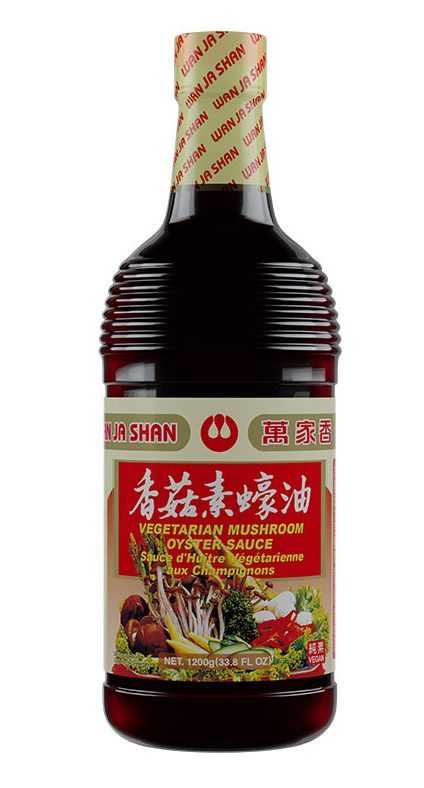
If you have a seafood/shellfish allergy, this brand is a great substitute. Its texture is slightly runnier than LKK’s Premium Oyster Sauce, but it captures that smokey and savory flavor profile. It is a tad sweeter and does impart a subtle mushroom flavor (like you’d find with dried shiitake). I sometimes prefer this over LKK’s when I want to highlight a mushroom based dish!

I love buying this in bulk (the one in the big rectangular tin) – it’s good value for what you get. The sesame fragrance is strong, and a little goes a long way! If you use any other brands or a sesame oil blend, you’d need to adjust the recipe with more oil to create stronger sesame notes..

I never realized how hard it is to describe soy sauce besides being salty and umami, but I find Haday (Wei Ji Xian)’s soy sauce to have a thicker viscousity and more umami than the standard Kikkoman. It’s maltier, smoother, and has a slightly more fermented profile. If you’ve ever had Maggi’s Seasoning Sauce, this soy sauce is reminiscent of it, but not as intense.

I know Kikkoman is a fan fave but Yamasa tastes more like what soy sauce should taste like. You wouldn’t be able to pinpoint it unless you’ve tried them side-by-side. It is similar to Haday Wei Ji Xian, except the flavor profile is more balanced for Japanese cuisine.
You don’t need both in your pantry. Pick the one you like more, or the cuisine you prefer making. Both are fairly interchangeable, but if you’re a Japanese cuisine purist, get Yamasa’s instead. I feel Chinese dishes are more forgiving about the soy sauce especially if you’re already buffing it with LKK’s Premium Oyster Sauce. The oyster sauce is *key*.
I like my food saucy, so for 4 servings of food, I use 1/4 cup.
For any stir-fry, heat oil over medium-high heat until glistening. Sauté your aromatics, veggies, and protein until everything is nearly cooked. Then, add the sauce near the end and toss well to combine and season.
Finish your stir-fry with a cornstarch slurry (1 tsp cornstarch + 2 Tbsp water; mixed well) at the very end and toss until it thickens for that glossy finish. Adjust to your preferred consistency. Check out my Beef with Broccoli recipe (restaurant-style achieved at home!) for an example
If you’ve searched online for an all-purpose sauce before landing here, you might have noticed that some recipes suggest adding cornstarch directly to the sauce instead of making a separate slurry.
The first method adds the cornstarch slurry during batch making, giving the sauce a thick consistency ready to use straight from the fridge. However, I’m not a fan of this because cooked starch spoils easily. In my experience, the sauce always molded within a month.
The second method involves adding cornstarch to the batch AFTER the sauce has fully cooled. While this delays the spoiling process, the starch tends to settle on the bottom and harden. You’ll need to stir it thoroughly before each use, which, to lazy ol’ me, is a hassle.
After half a year of experimenting, I found that omitting the cornstarch worked best. The non-cornstarch version allows the flavors to penetrate the dish more. You can also cook down the sauce and adjust the concentration of the flavors to your liking.
⚠️ ATTENTION:
Once cornstarch is added, water swells into the starch instead of evaporating. If you keep cooking the sauce to reduce it, the excessive heat will break down the starch, and you’ll end up back where you started with a runny sauce.
Another benefit of holding out the cornstarch?
Your sauce base offers more flexibility. For example, you’ll need less slurry when using the sauce in a noodle stir-fry because the noodles contribute some starchiness. However, if you’re making a vegetable stir-fry, you’ll need more slurry to achieve a thicker consistency for that glossy coating.
⚠️ ATTENTION:
If you’ll be using a lot of sauce in your stir-fry, reheat the amount you’ll need before adding to the wok. This step prevents the wok from cooling down too much.
Use an airtight mason jar or container and keep it in the fridge. If you’re using tap or filtered water, microwave or simmer the sauce for 3-5 minutes, then let it cool for 20 minutes before transferring to the fridge. Always use a clean spoon to avoid contamination.
When stored properly, I’ve had it last for 2 months. Not because it spoiled, but because I ran out! It could probably last for a year, but I don’t want to be responsible for food poisoning, so I’d say… toss it in 2 months or if you have to ask yourself “is this safe?”—whichever comes first.

I’m a foodie with a simple philosophy: why should amazing food be reserved for the weekends alone? I’m all about making every meal delicious because, let’s face it, we only have so many meals in our lifetime.
My mission? To take the stress out of cooking with easy-to-use meal plans so you can enjoy mouthwatering recipes any day of week. Join me on this tasty journey and let’s savor “more taste, less waste” in every bite!
I’m a foodie with a simple philosophy: why should amazing food be reserved for the weekends alone? I’m all about making every meal delicious because, let’s face it, we only have so many meals in our lifetime.
My mission? To take the stress out of cooking with easy-to-use meal plans so you can enjoy mouthwatering recipes any day of week. Join me on this tasty journey and let’s savor “more taste, less waste” in every bite!
Email:


